History
A royal gift that became the city's first great public park.
A gift from King Vajiravudh
Before it was a park, the area was called Thung Sala Daeng, the "fields of Sala Daeng", and it was the private property of King Vajiravudh (Rama VI). In 1925 the King granted the land to host a national exhibition, the Siam Rath Phiphitthaphan, to promote Thai products and crafts. He intended the grounds to remain a public park afterwards and named them after Lumbini, the birthplace of the Buddha.
The King passed away in November 1925, before the work was complete. Construction continued: the lake was dug, roads were laid, and the clock tower became the park's first permanent structure.
A century in brief
- King Vajiravudh grants the land at Thung Sala Daeng and names the park after Lumbini. The clock tower is built.
- The park is transferred to the municipality of Bangkok, which still manages it today as the Bangkok Metropolitan Administration.
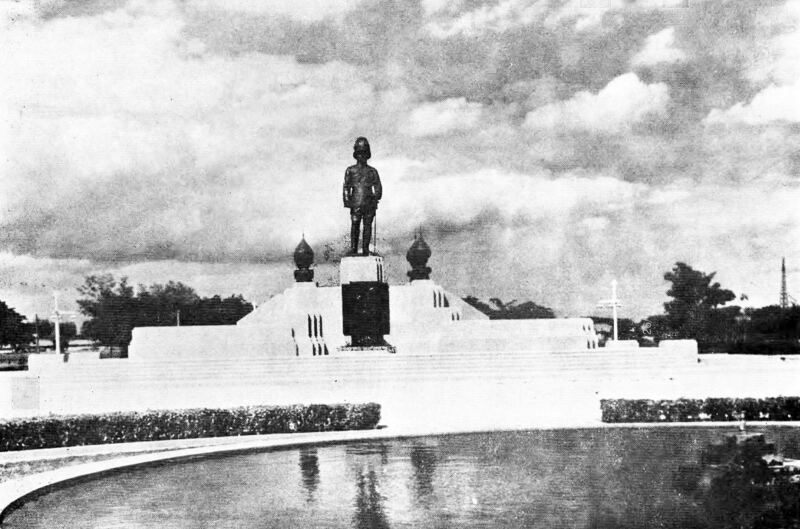
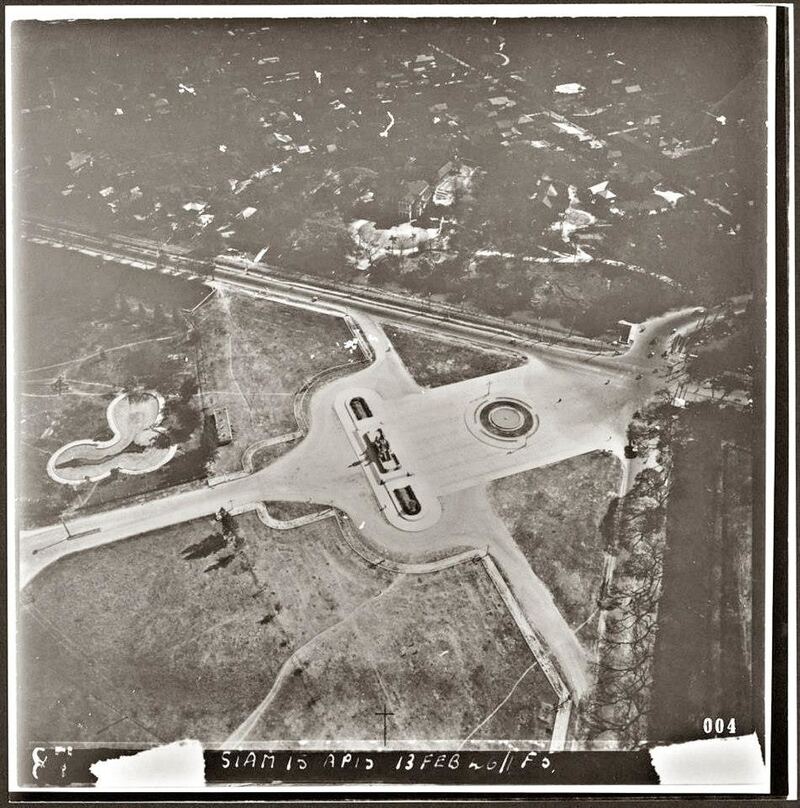
- The royal monument to King Vajiravudh, by the sculptor Silpa Bhirasri, is unveiled at the south-western entrance.
- During the Second World War, part of the park is used as a camp by the Japanese army.
- Lumphini Hall (ลุมพินีสถาน) opens as a ballroom; for decades it is the home stage of the Suntharaphon orchestra.
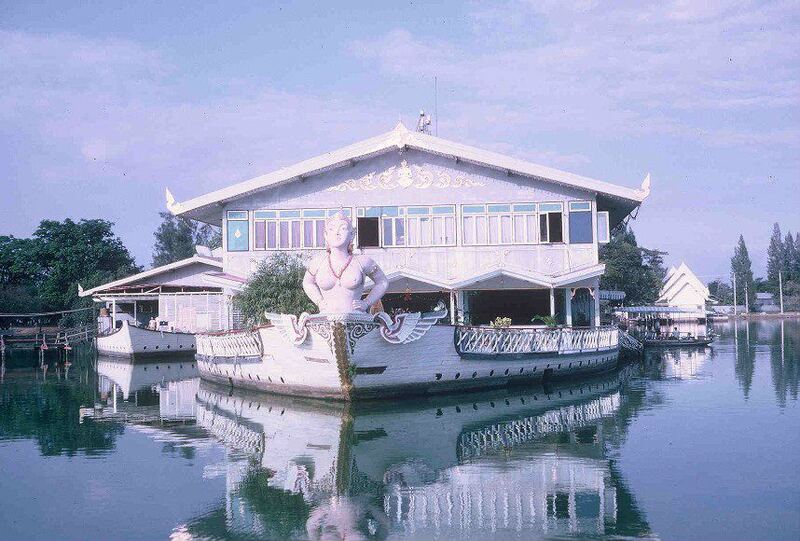
- The Kinnari Nava, a floating restaurant on the lake, operates until it is destroyed by fire.
- The city relocates a number of the larger water monitors to a wildlife centre outside Bangkok.
- Opening hours are extended to 22:00.
- The park marks its hundredth year with restoration of its paths, gates and historic buildings.


The name
Lumbini, in the south of today's Nepal, is where Queen Maya gave birth to Prince Siddhartha, who became the Buddha. In Thai the name is written ลุมพินี (Lumphini), and the park is affectionately called สวนลุม (Suan Lum). The surrounding district and an MRT station carry the same name.