Wildlife
For a park surrounded by skyscrapers, Lumphini is remarkably wild. Its lake and old trees are home to large reptiles, storks, herons and more than thirty species of birds.
Water monitors
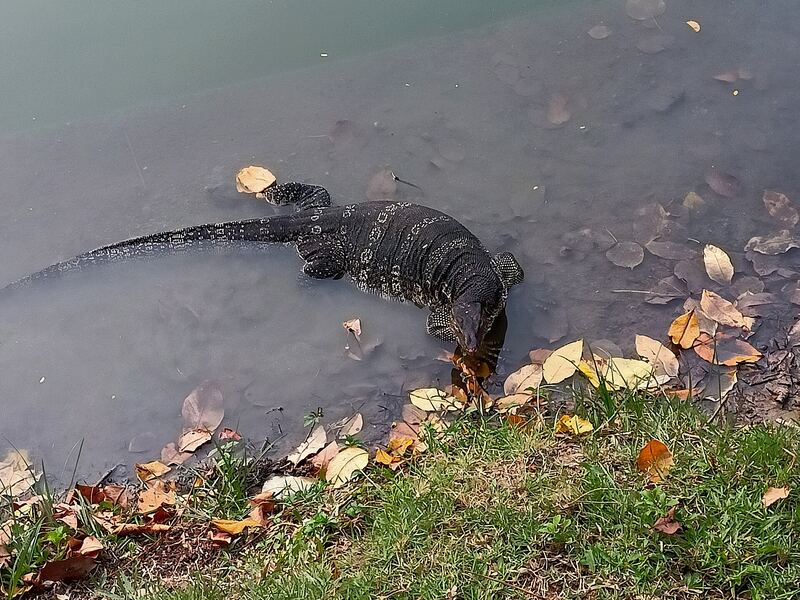
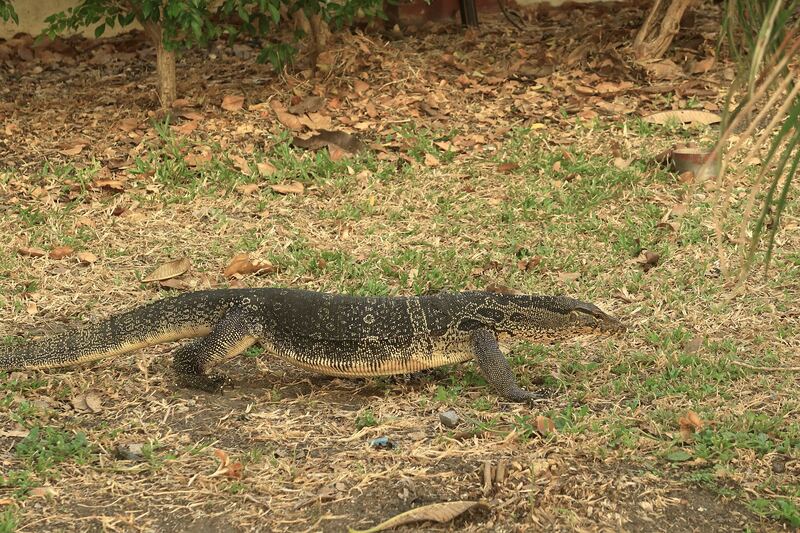
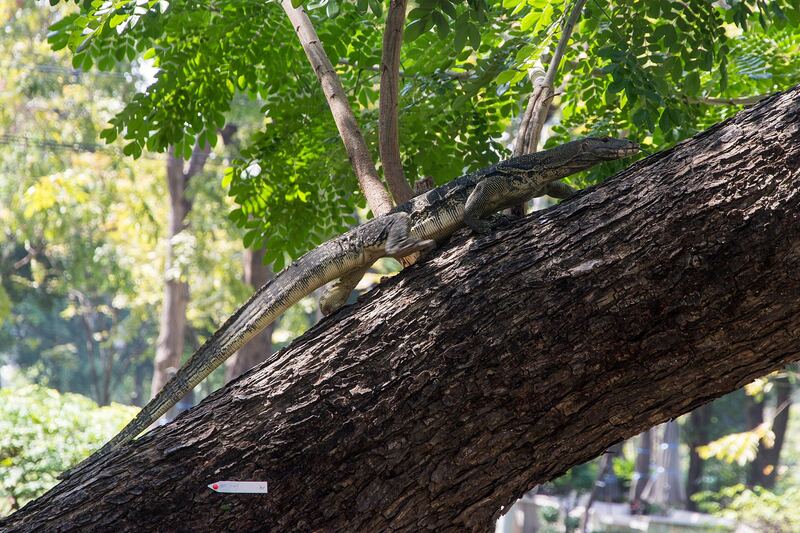
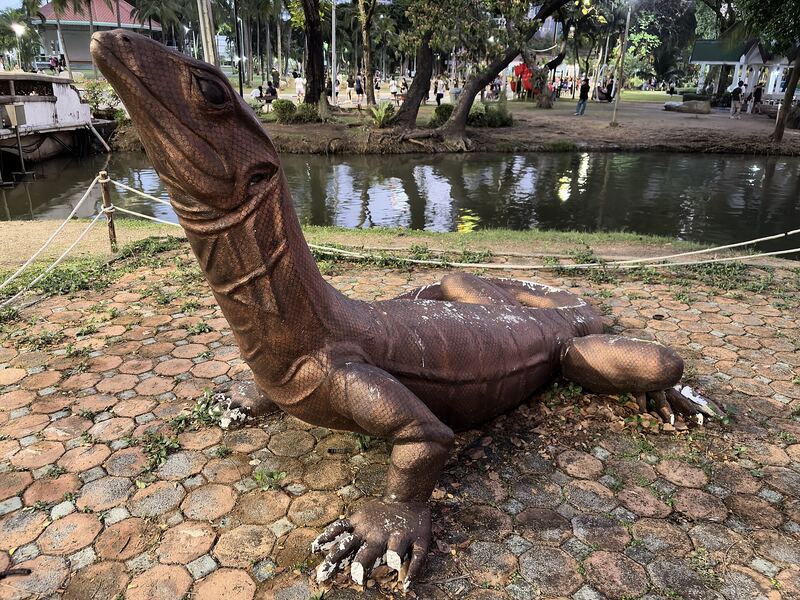
The park's most famous residents are the Asian water monitors (Varanus salvator), large lizards that can grow to two metres or more. They swim slowly across the lake with only their heads above water, haul themselves out to bask on the banks, and sometimes climb the trees along the shore.
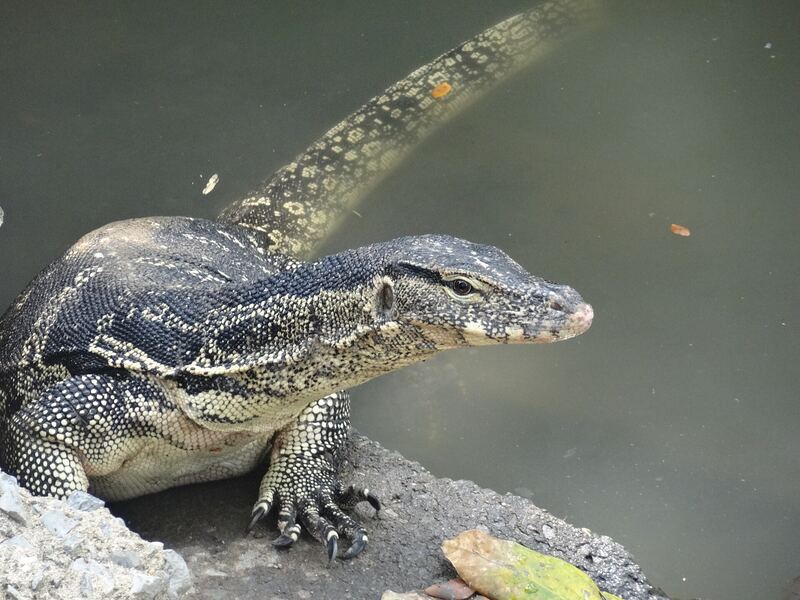
Monitors are scavengers and hunters: they eat fish, birds, eggs and carrion, and help keep the lake clean. They are wild animals but not aggressive towards people, and they will move away if given room. In 2016 their number was estimated at around 400, and the city relocated a number of the larger animals to a wildlife breeding centre in Ratchaburi province. Plenty remain, and you are almost certain to see them.


A word about the name
The common Thai word for the monitor, เหี้ย (hia), is also one of the strongest insults in the Thai language. Many people prefer a polite euphemism, ตัวเงินตัวทอง (tua ngoen tua thong), "the silver and gold creature". It is good manners to use it, or simply to say "monitor lizard".
Birds
More than thirty bird species have been recorded in the park. Along the lake you can watch wading birds fishing at the water's edge, while the canopy is full of song.
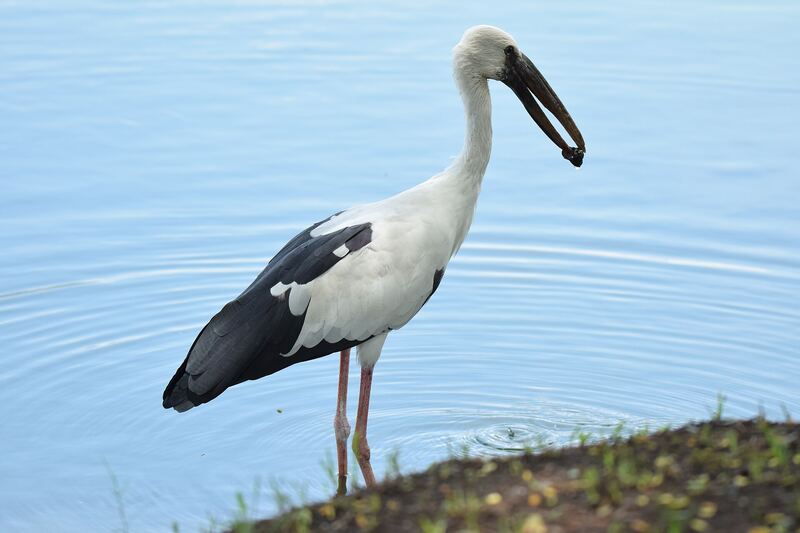
Asian openbill
The Asian openbill (Anastomus oscitans) is a stork with a curious gap between its mandibles, an adaptation for prising apple snails from their shells. It is often seen along the lake shore.
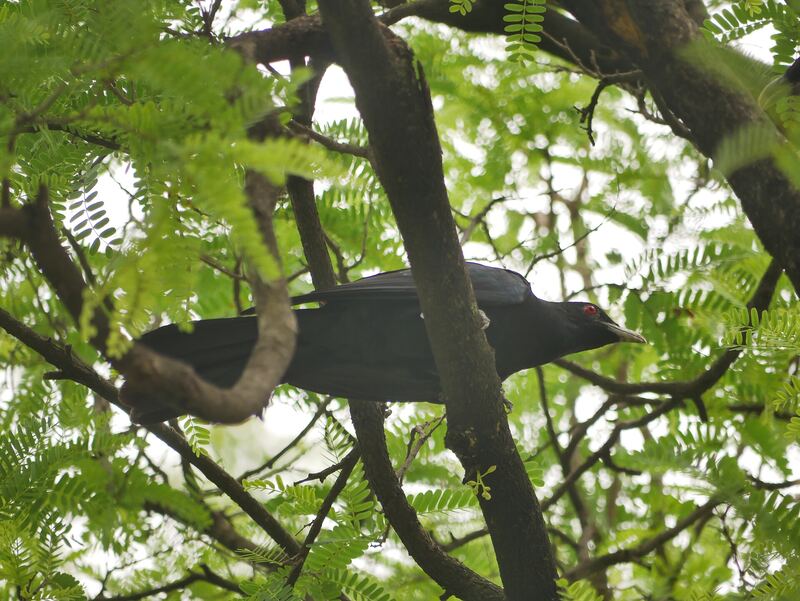
Asian koel
Heard more often than seen: the rising ko-el, ko-el call of the male Asian koel (Eudynamys scolopaceus) is one of the sounds of a Bangkok morning. The male is glossy black with a red eye.

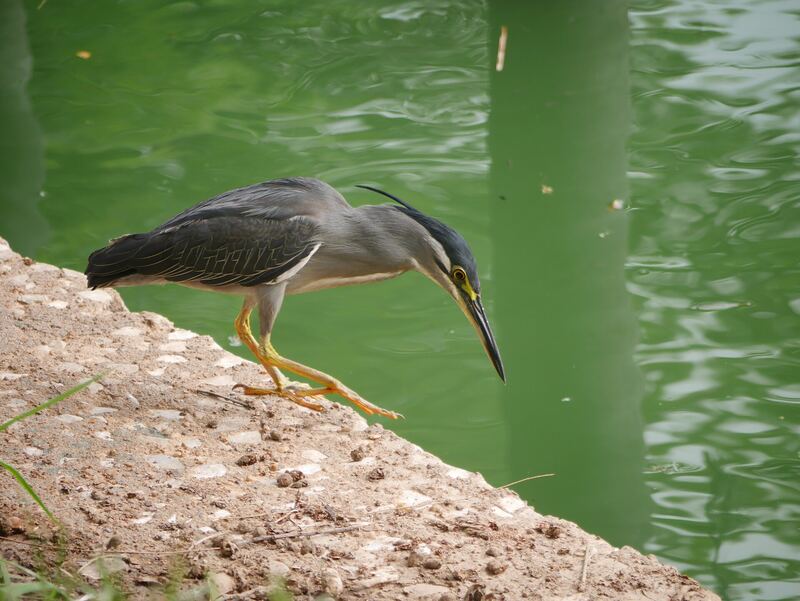
Striated heron
The striated heron (Butorides striata) stands motionless on the banks, waiting for a fish to come within reach of its sharp bill.

Turtles, fish and others
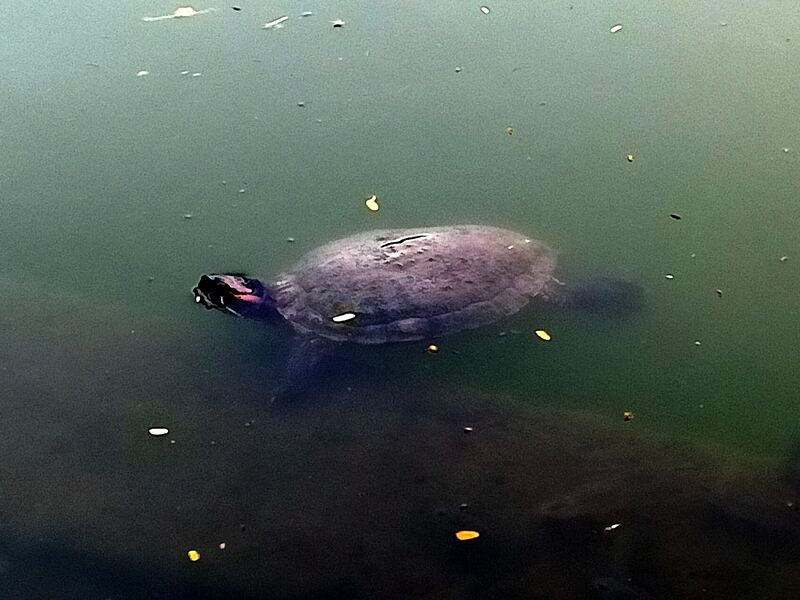
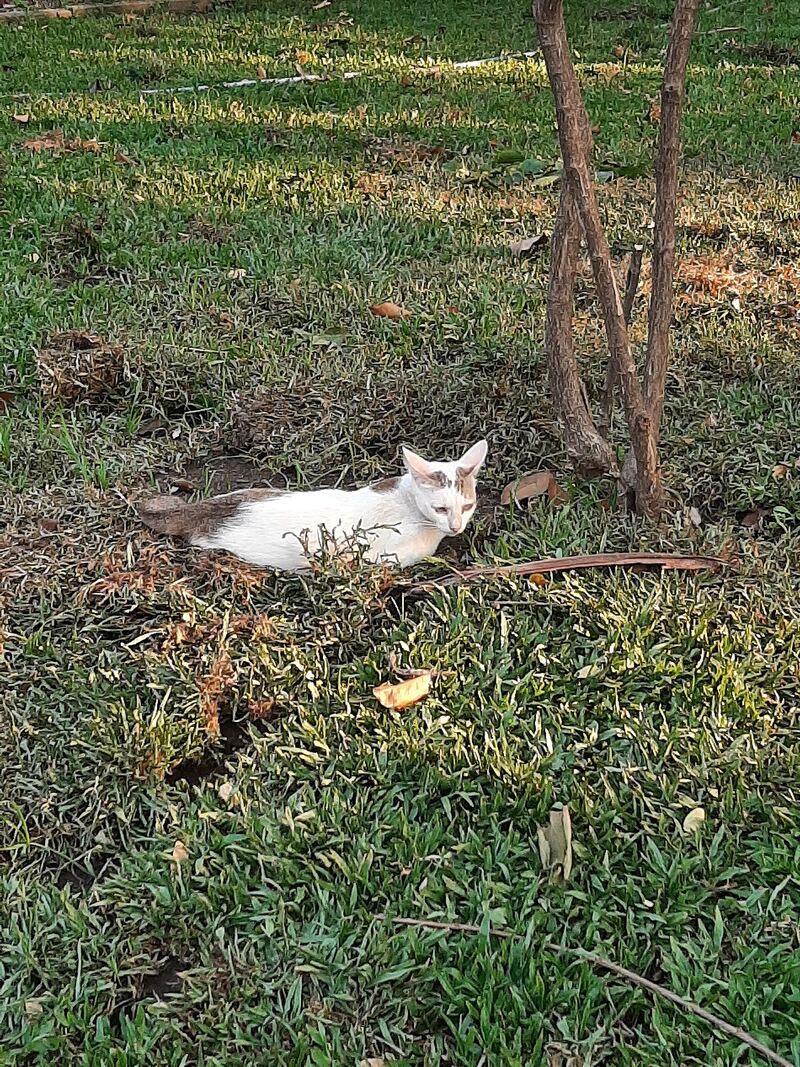
Turtles live in the lake and are often seen surfacing to breathe or resting on the banks. The water also holds plenty of fish, which feed the monitors and the herons. Cats also live freely in the park.


Watching wildlife with respect
- Keep a few metres' distance from monitors, and never corner, chase or touch them.
- Do not feed the animals. Food from people makes them unhealthy and unafraid.
- Stay on the paths near the water's edge, where nests and basking spots are.
- Early morning and late afternoon are the best times to see birds and monitors.